Wondering why some Roswell homes draw multiple offers while others take weeks to move? You are not alone. Buyers and sellers here face a micro-market where location, lifestyle, schools, and price bands matter as much as square footage. In this guide, you will learn what truly drives demand in Roswell and how to use that insight to make confident decisions. Let’s dive in.
Location and commute shape demand
Roswell sits in North Fulton County about 20 to 30 miles from downtown Atlanta, with quick reach to Alpharetta, Sandy Springs, and Johns Creek. Many residents commute to major job hubs such as the Alpharetta tech corridor, Perimeter Center, Buckhead, and downtown. Your route options, including GA-400, SR-9, and I-285 access, often determine which neighborhoods fit your daily rhythm and budget.
MARTA rail does not directly serve central Roswell, so most commuters use personal vehicles or park-and-ride options. If your schedule is flexible or hybrid, you may find more neighborhoods that work. If you commute daily at peak hours, proximity to GA-400 or a major arterial can be a priority.
Micro-locations command premiums. Properties within an easy walk of Historic Downtown Roswell around Canton Street, near river and trail access by Roswell Mill and Vickery Creek, or located just off major routes tend to attract more attention.
Housing types and supply structure
Roswell offers a diverse mix of homes that align with different buyer goals:
- Historic single-family near downtown with architectural character and walkability.
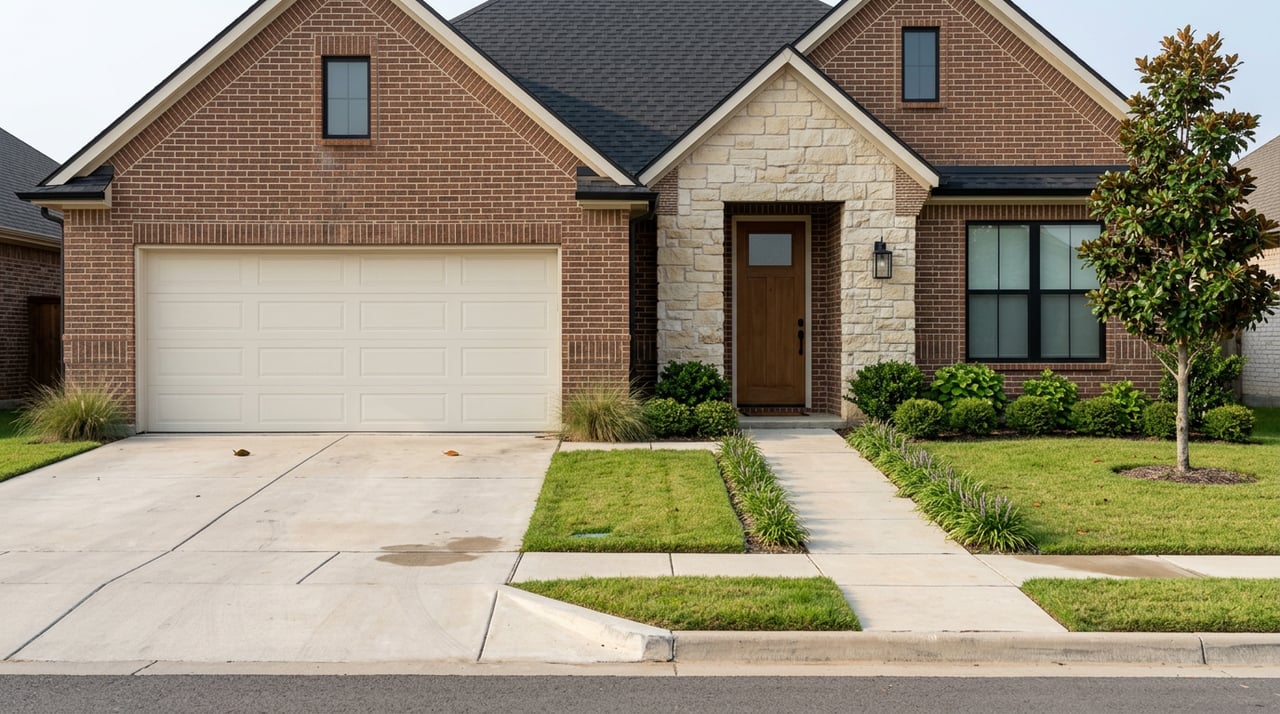
- Established single-family neighborhoods from the mid-to-late 20th century.
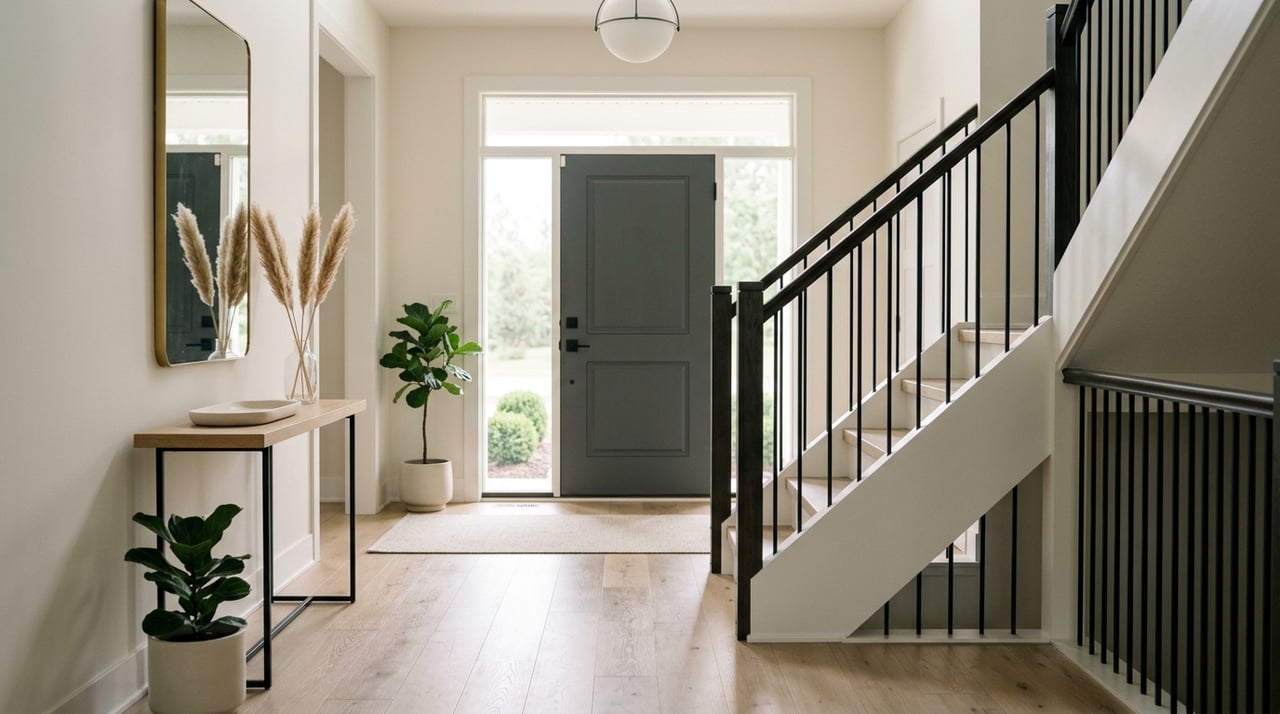
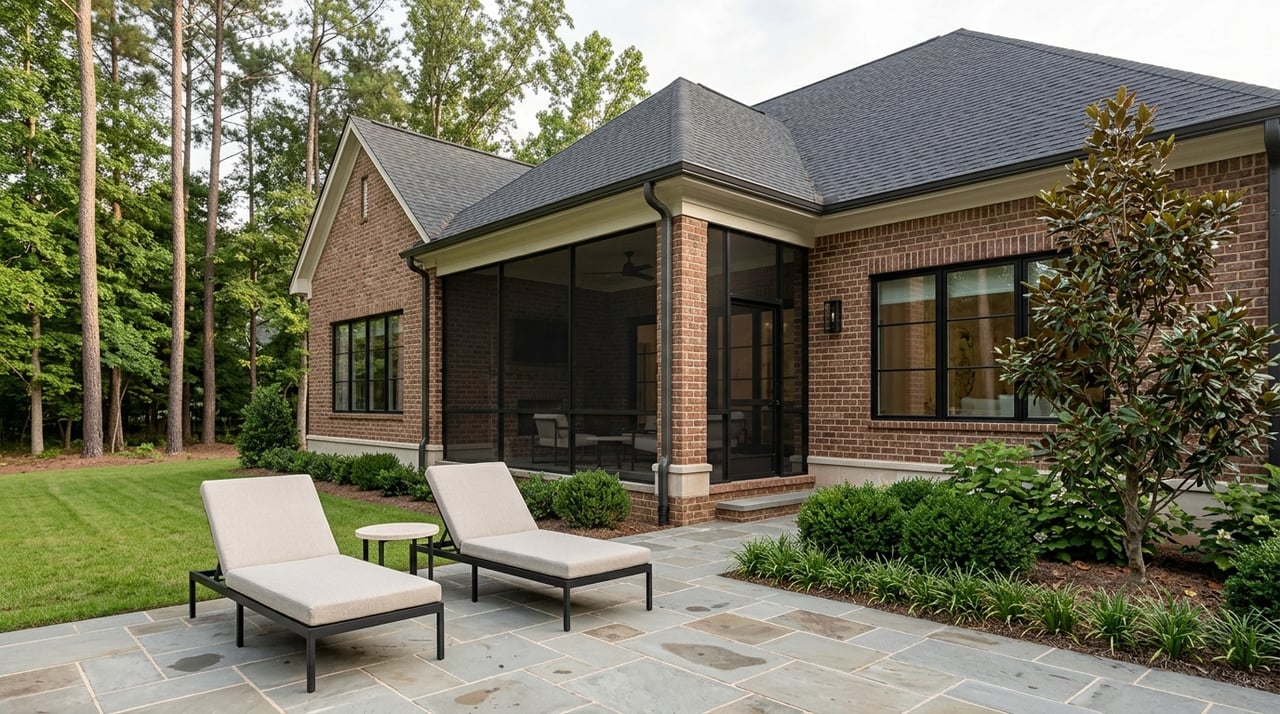
- Newer subdivisions and gated communities with larger lots and modern layouts.
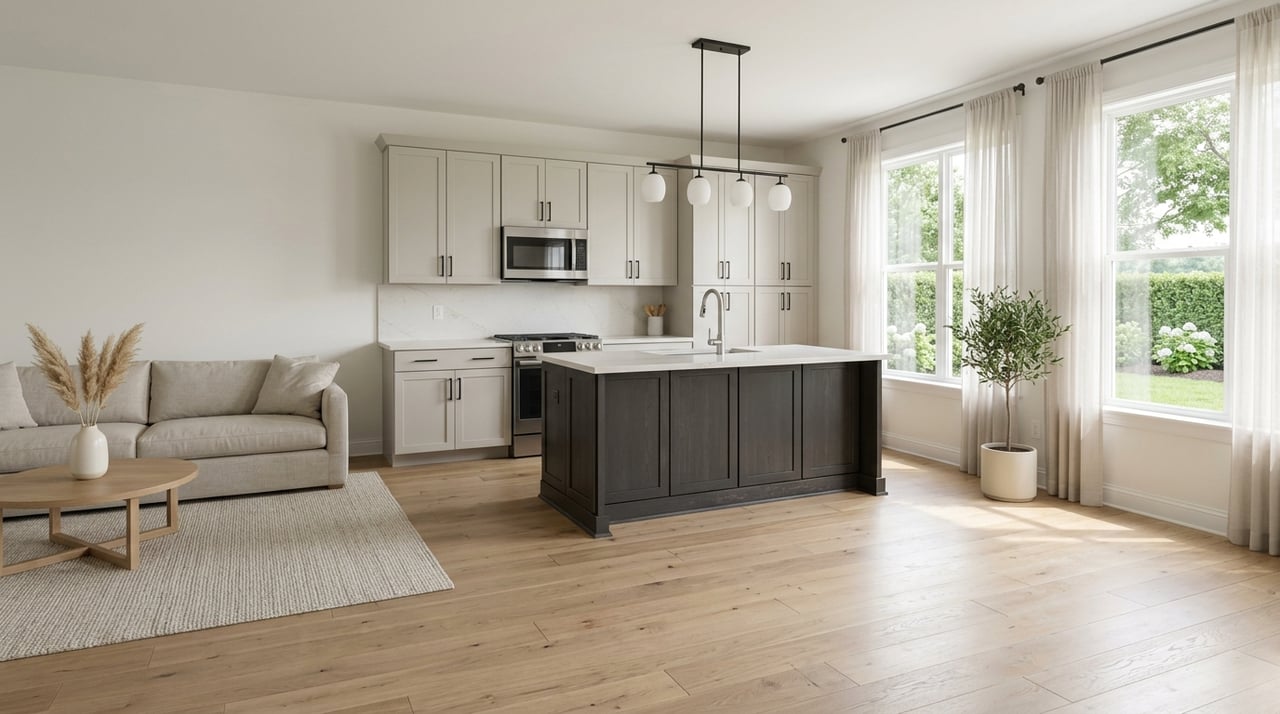
- Townhomes and low-rise condos for lower-maintenance living.
Because Roswell is a mature city with historic protections and established neighborhoods, new supply in prime pockets is limited. Infill development exists, but the scarcity of buildable lots in high-demand areas helps support price resilience over time.
Schools, demographics, and lifestyle
Roswell is served by Fulton County Schools and a range of private options. Many buyers prioritize specific attendance zones, which can create distinct micro-markets. Always verify current boundaries and policies directly with the school district, since attendance lines can change.
The city attracts families, professionals commuting to regional job centers, and empty-nesters who value quality-of-life amenities. Lifestyle features are a big pull: a walkable historic district, a strong dining scene, parks, and access to the Chattahoochee River and local trails. If you value recreation and community events, these features can be just as important as commute time when choosing your neighborhood.
Price bands and buyer segments
Thinking in price bands helps you focus your search and set realistic expectations:
- Entry-level: Townhomes, condos, and smaller single-family homes. These appeal to first-time buyers, downsizers, and investors. Financing conditions and the local rental market can affect availability and competition.
- Mid-market: Typical family single-family homes in established neighborhoods. Demand is sensitive to school zones, commuting patterns, and yard size.
- Upper and luxury: Larger lots, gated communities, premium finishes, and privacy. Buyer pools are narrower but tend to be stable, and lot attributes can drive outcomes more than interior finishes.
Your budget, preferred schools, and commute tolerance will steer you toward certain areas and property types. In walkable historic pockets, a smaller home can cost more than a larger one farther from downtown. Decide early which trade-offs you are willing to make.
Market dynamics to watch
Roswell’s micro-market shifts quickly with interest rates, seasonality, and new construction. To keep your timing sharp, monitor:
- Inventory and months of supply: This shows if the market favors buyers or sellers, and it varies by property type.
- Days on market and sale-to-list ratio: These reveal how fast homes are moving and how close they sell to asking.
- Price per square foot by property type: Townhomes, condos, and single-family homes trend differently.
- Seasonality: Spring often brings more listings and more active buyers. Competition can rise along with options.
- New construction: Builder inventory can relieve tight supply or create localized competition for nearby resales.
- Zoning and historic overlays: Rules in the historic district can limit exterior changes and new supply, which influences demand and pricing.
Use recent data. A rolling 3 to 6 month snapshot gives you a clearer read than a single monthly print, especially when conditions are changing.
Buyer tips: How to compete smart in Roswell
- Clarify your priorities: Rank location, school zone, house size, lot size, and walkability. Your top two will guide your micro-market.
- Study sold comps from the last 3 to 6 months: Focus on the same neighborhood, similar age and lot size. Citywide medians are not enough for street-level pricing.
- Balance trade-offs: Expect a premium for downtown walkability or river adjacency compared to homes farther out.
- Check the details early: Utilities, HOA rules and fees, floodplain status near the Chattahoochee or Vickery Creek, and any historic-district restrictions.
- Align your financing: If inventory is tight, have your pre-approval ready and discuss strategies for offer terms and inspection timing. If inventory is looser, you may have room to negotiate repairs and contingencies.
Seller tips: Position your listing for demand
- Price from micro-comps: Use similar properties in the same pocket with comparable lots and age. Small differences in location can swing value.
- Lead with lifestyle: Highlight proximity to downtown, parks, and trails. If buyers in your micro-market care about commute, showcase access to GA-400 and major arterials.
- Prep for your target audience: Historic-home buyers value period-appropriate updates. Families may focus on storage, yard usability, and flexible space for work.
- Time the market: Spring can offer more buyer traffic but also more competition. Consider timing with your neighborhood’s typical turnover.
- Invest where it counts: Evaluate whether targeted improvements or professional staging and media will yield more net than a price reduction.
Use Tracy’s neighborhood page and IDX search
The fastest way to understand Roswell’s demand is to work within a tight, map-based search and then watch how listings move.
What to review on the neighborhood page:
- Market snapshot widgets: Median sale price, price per square foot, days on market, and active inventory. Confirm the date range shown.
- Interactive map: Zoom to landmarks like Historic Downtown, Roswell Mill, and parks. Notice pockets with structural scarcity and premium pricing.
- Recent sales: Sort by property type and price band to see what actually closed.
- School links: Review attendance zone maps and verify boundaries directly with the district.
How to sharpen your IDX search:
- Use filters: Property type, price range, beds and baths, lot size, year built, and days on market. Try keyword filters such as “historic,” “river,” “downtown,” or “walkable.”
- Draw your map: Outline a walk-to-downtown radius or a small area near trails, then save separate searches for each pocket.
- Set alerts: Get notified for new listings, price reductions, and pendings. Track how many homes go under contract within 7 to 14 days in your price band.
- Compare actives to solds: Side-by-side, you will see where list prices are getting traction and where they are not.
- Gauge absorption: Estimate how many homes sell per month in your segment. Buyers can set expectations on speed, and sellers can decide whether to price for a quick offer or test the market.
What this means for your timing
Roswell demand is powered by its location in North Metro Atlanta, a walkable and lively historic core, access to the river and trails, and a range of homes that suit many life stages. The fine print matters. Micro-markets just a few blocks apart can behave very differently based on commute access, school boundaries, and lifestyle features.
If you want a clear read on value, track the metrics that signal real-time demand, review sold comps from the last 3 to 6 months, and study the map. When you are ready to act, work with a local advisor who measures what matters and negotiates with a plan. To get a data-driven game plan for your move, connect with Tracy Lovig.
FAQs
How do Roswell school zones impact home values?
- School attendance zones can create distinct micro-markets, and many buyers focus their search by zone. Always verify current boundaries and review publicly available performance data before you buy or list.
Is Roswell a realistic commute to Atlanta or Alpharetta?
- It depends on your destination and peak-hour patterns. Many residents commute via GA-400 and nearby arterials to Alpharetta, Perimeter Center, Buckhead, or downtown. Hybrid schedules often open more neighborhood options.
Which Roswell areas tend to hold value over time?
- Pockets near Historic Downtown and river or trail access often show durable demand due to lifestyle and limited supply. Confirm trends with 3 to 5 year sold data and turnover rates for your specific neighborhood.
How do historic-district rules affect renovations in Roswell?
- Historic overlays can limit certain exterior changes and add review steps, which preserves neighborhood character. Understand guidelines early so you can budget and plan updates that align with local standards.
What should first-time buyers expect in townhomes vs single-family homes?
- Townhomes and condos can offer lower-maintenance living and a potential entry point into the market, while single-family homes typically provide more space and lot control. Compare recent solds, HOA fees, and location trade-offs to choose the best fit.